
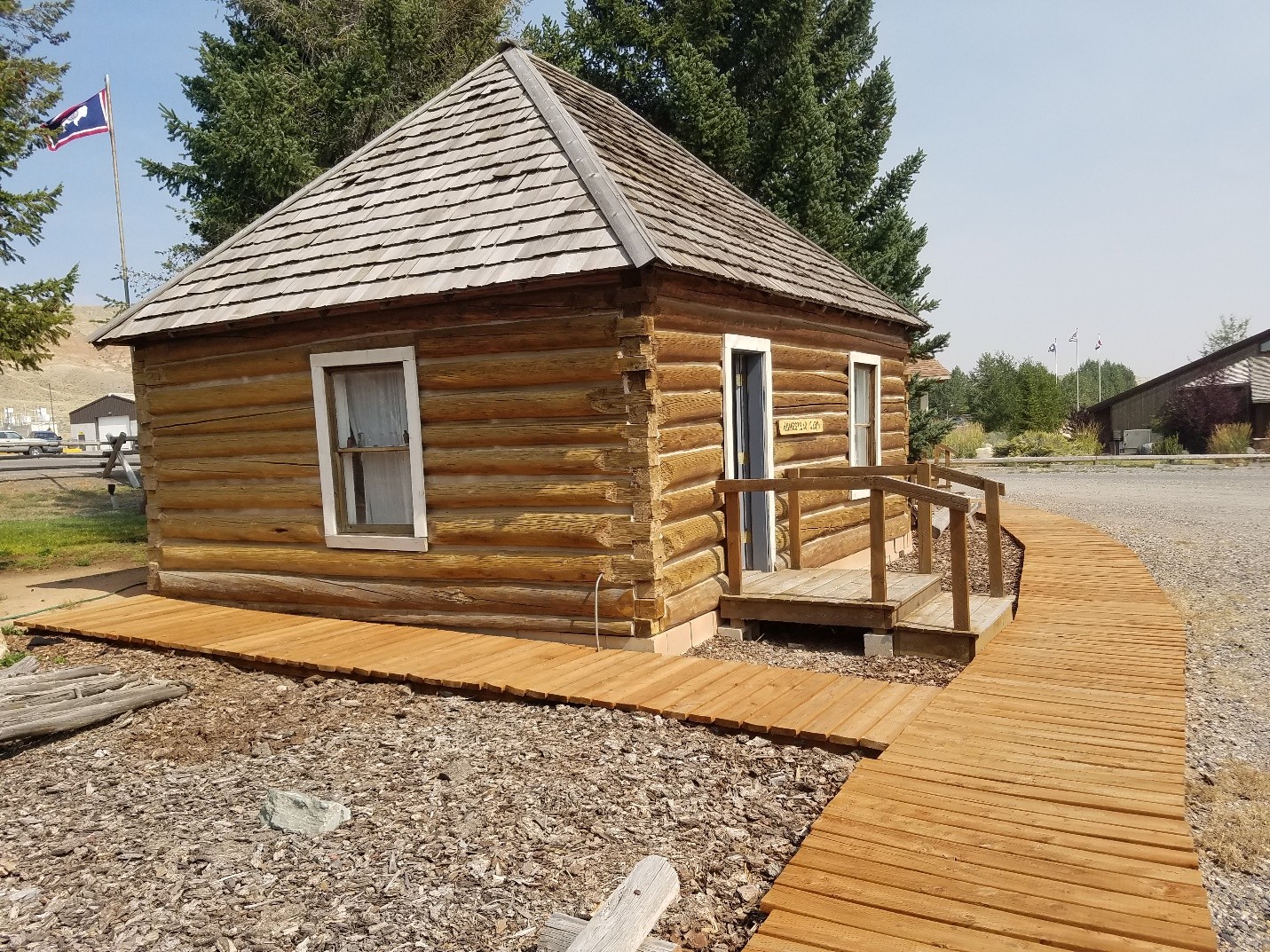
Thomas Holmes Cabin
Thomas Holmes was born in Kansas in 1872. In 1899, he worked for Frank Welty on his ranch in the DuNoir, and Holmes was listed as a farmer in the 1900 Fremont County census. By 1903, Holmes was known as a Dubois ranchman. In 1905, he applied for a homestead located five miles west of Dubois on the Wind River in sections 33 and 34. The original homestead certificate for Mr. Holmes was signed by President Theodore Roosevelt in 1905. The cabin he built was later relocated to the Dubois Museum property. Also in 1905, Jim Stewart was awarded the contract by the U.S. Government to cut timber on Sheridan Creek.
Holmes was said to be a prominent merchant at the time. In 1914, Holmes sold 160 acres to Charles Peterson. Then in 1918, Peterson sold 156 acres to William Carson. William (W.K.) Carson operated the Carson Trading Company store, which was sold to F.A. Welty in 1907. Carson owned a ranch on Jakey’s Fork which sold that year. He dealt with real estate, specializing in ranch and town property, and had been business partners with Jim Stewart. Carson was killed in a dynamite accident in 1922 and left his property to Jim Stewart including the ranch on the Wind River. The Holmes cabin on the property now owned by the Stewarts remained vacant for several decades. The cabin was donated and relocated to the Dubois Museum in 2017.
The cabin is typical of homestead buildings around the turn of the 20th century. Two exceptions found in this building are the large windows and the relatively high ceiling. Most early cabins tended to be squat with low ceilings and narrow, horizontal windows making it easier to heat.
Western homesteaders faced harsh living conditions in the new environments in which they settled. Often, they were immigrants from other parts of the world and arrived poorly prepared for a new life of arid conditions and other challenges such as isolation, economic hardships, illness, and limited resources. Yes, most also met this new life with determination and saw new opportunities such as self-reliance and independence. Homesteading provided economic and social opportunities for some and gave a platform for some to rise above their former lives. The life tested the grit and wherewithal for the individuals and families. It was not an easy life, and the strong survived. The west became a cultural melting pot which communities developed their own unique identity. Some communities either folded or were mixed into larger communities. Other communities transitioned over time and remain as testaments to those who first settled and established roots.
Imagine living in a rustic cabin without modern amenities, and managing to live with struggles such as disease, loss, culture clash, pests, predatory animals, intense climatic conditions, floods, droughts, loneliness. Yet, it was these hardships that built the strong characters of the survivors. They saw the value of their community, and persevered by being independent, freedom, competition, open space, community, and opportunities to try new professions.
The museum has left the cardboard and newspaper insulation on the kitchen’s back wall in place to show visitors how homesteaders used what materials they had available. Given that the estimated R-factor, the measure of an insulation material’s resisting ability to prevent heat from or cold from passing through, for crumpled newspaper is roughly R-0.5 to R-1 per inch, you can imagine what winters must have been like in 1905.
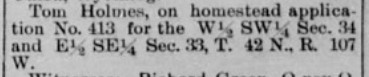
Lander Clipper/Wyoming State Journal May 5, 1905
Next up for the Fremont County Museum
October 17 & 18, 6-9pm at the Pioneer Museum, “Halloween Night at the Museum” Bailey Tire/Pit Stop Children’s Exploration Series
October 18, 5:30 with the Riverton Museum, “Downtown Riverton Haunted Trek” Wind River Visitors Council Adventure Trek Series
October 24 & 25, 11am at the Dubois Museum, “Kids Corner: Spooky Halloween Characters” Bailey Tire/Pit Stop Children’s Exploration Series
October 25, 2pm at the Riverton Museum, “Fall Fun Fest”
October 25, 3pm at the Dubois Museum, “Annual Halloween Carnival
Thru December, 9-5 at the Riverton Museum, “History Day Exhibits” Shoshone Schools
Call the Dubois Museum 1-307-455-2284, the Pioneer Museum 1-307-332-3339 or the Riverton Museum 1-307-856-2665 for detail regarding their programs.
The Dubois Museum, the Pioneer Museum in Lander and the Riverton Museum need your financial support. In the current economic environment, the museums are more reliant than ever on donations from the private sector to continue to provide the quality programs, collections management, exhibits and services that have become their hallmark over the last four years. Please make your tax deductible contribution through the Wind River Cultural Centers Foundation www.windriverccf.com or by sending a check to Fremont County Museums 450 N 2nd Rm 320 or taking it directly to the museum you choose to support.

